
Food Stories
Short videos with Major Orange and Princess Punch about where foods come from and how they work. Each one starts with a question, checks the popular story against the record, and lists its sources. Every episode below has the full transcript, the sources, and notes on what we simplified or left out.
New episodes go up on YouTube at @wonderadeusa.
Why does...?
Food science questions kids actually ask.
Episode 1 · Video coming soon
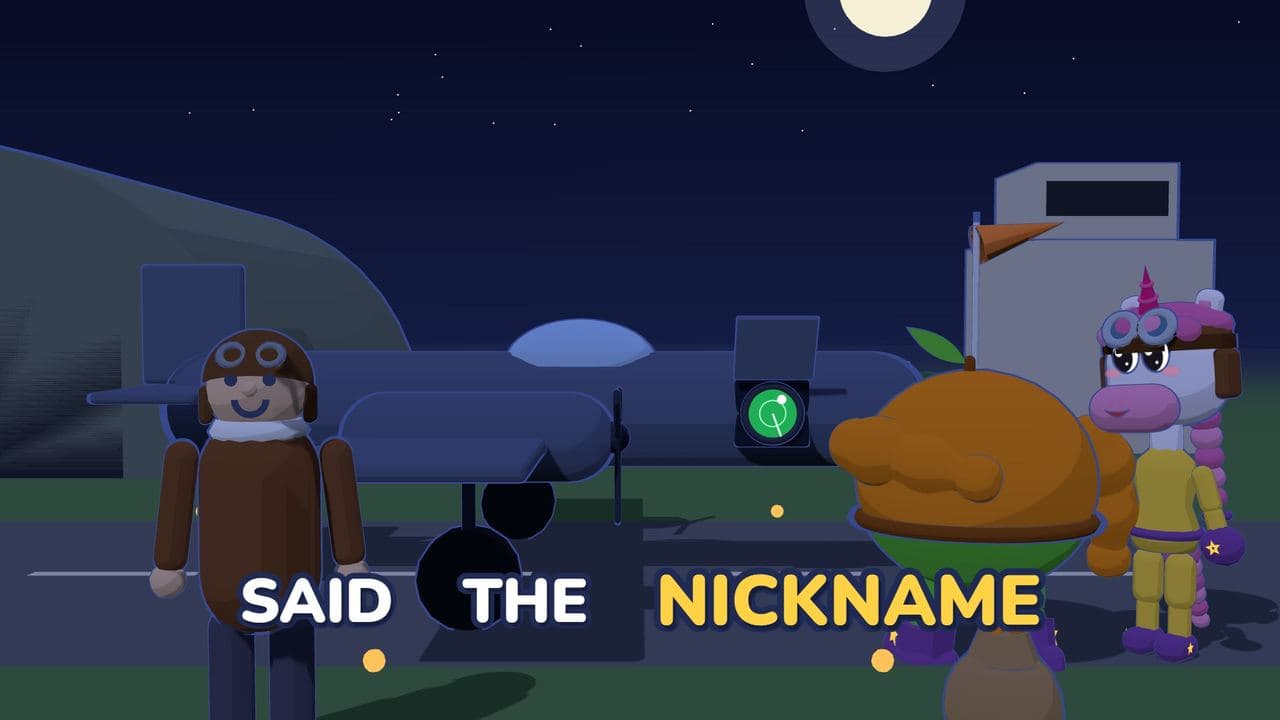
Do carrots give you night vision?
The carrot night-vision myth started in WWII Britain, when radar needed a cover story. What carrots really do for eyes, and why the first carrots were purple.
Episode 2 · Video coming soon
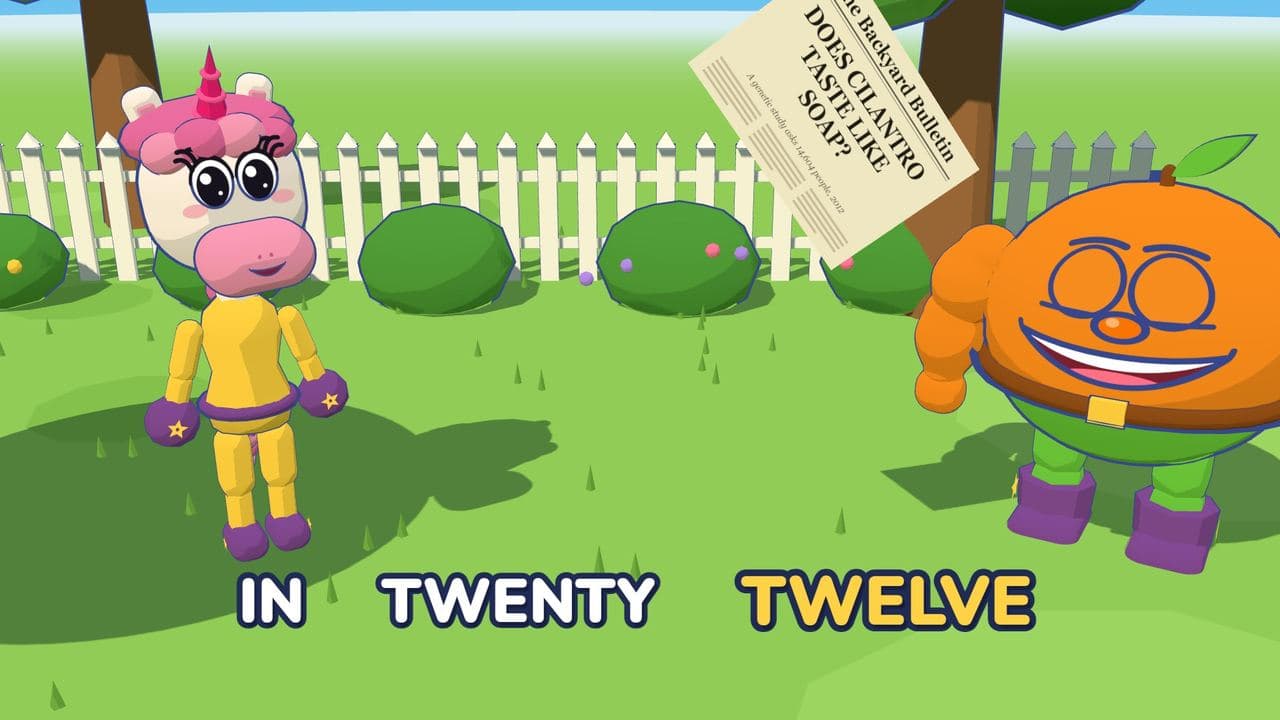
Why does cilantro taste like soap?
About 1 in 7 people in one big study said cilantro tastes like soap. The smell chemicals, the gene near a smell receptor, and why genes are only part of it.
Episode 3 · Video coming soon
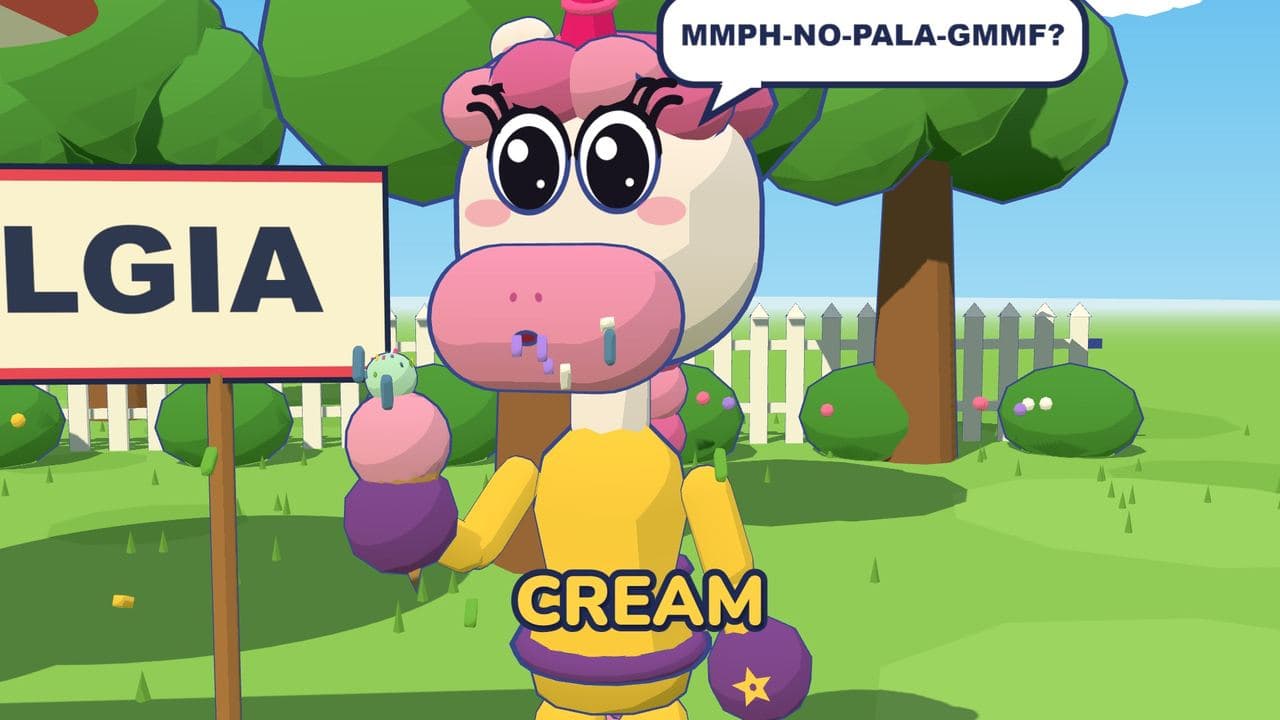
What is brain freeze, really?
Brain freeze isn't your brain freezing. What a 2012 blood-flow study saw, the kid-led ice cream study, and two simple ways to make it stop.
Episode 4 · Watch now
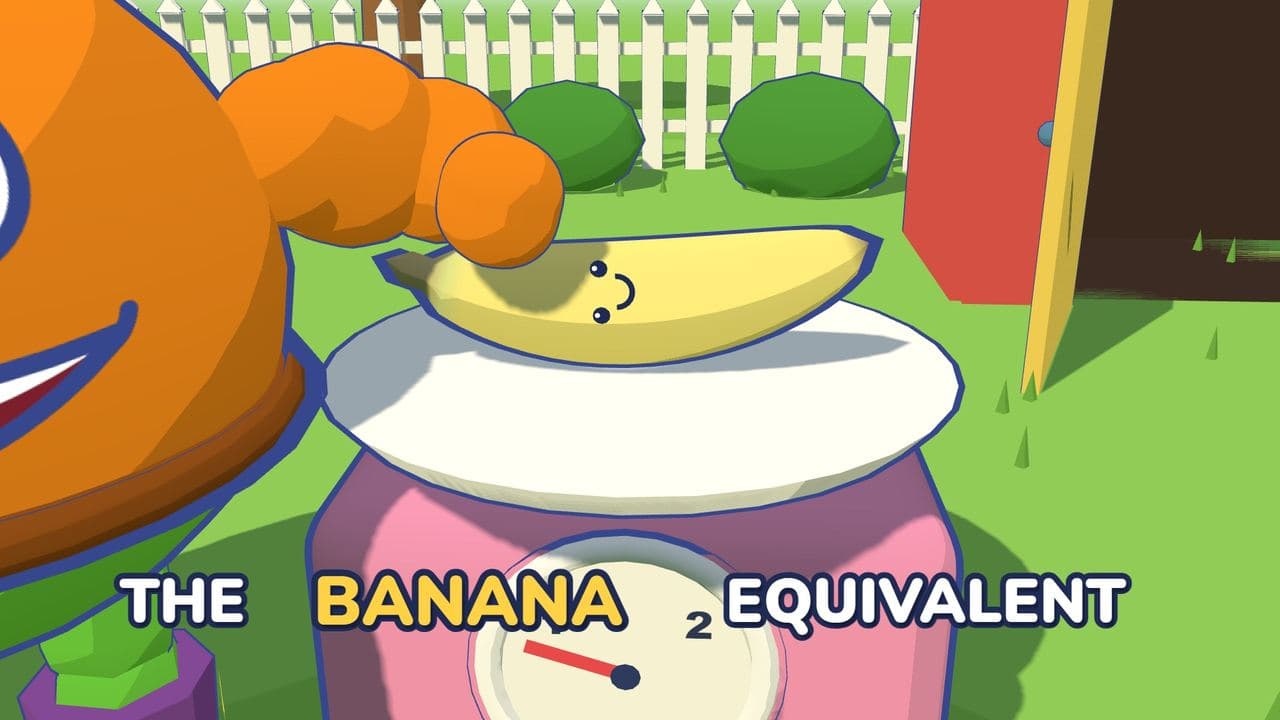
Are bananas radioactive?
Bananas contain a tiny amount of radioactive potassium-40, and so do you. Why it's harmless, what the banana equivalent dose is, and which foods have more.
Episode 5 · Video coming soon
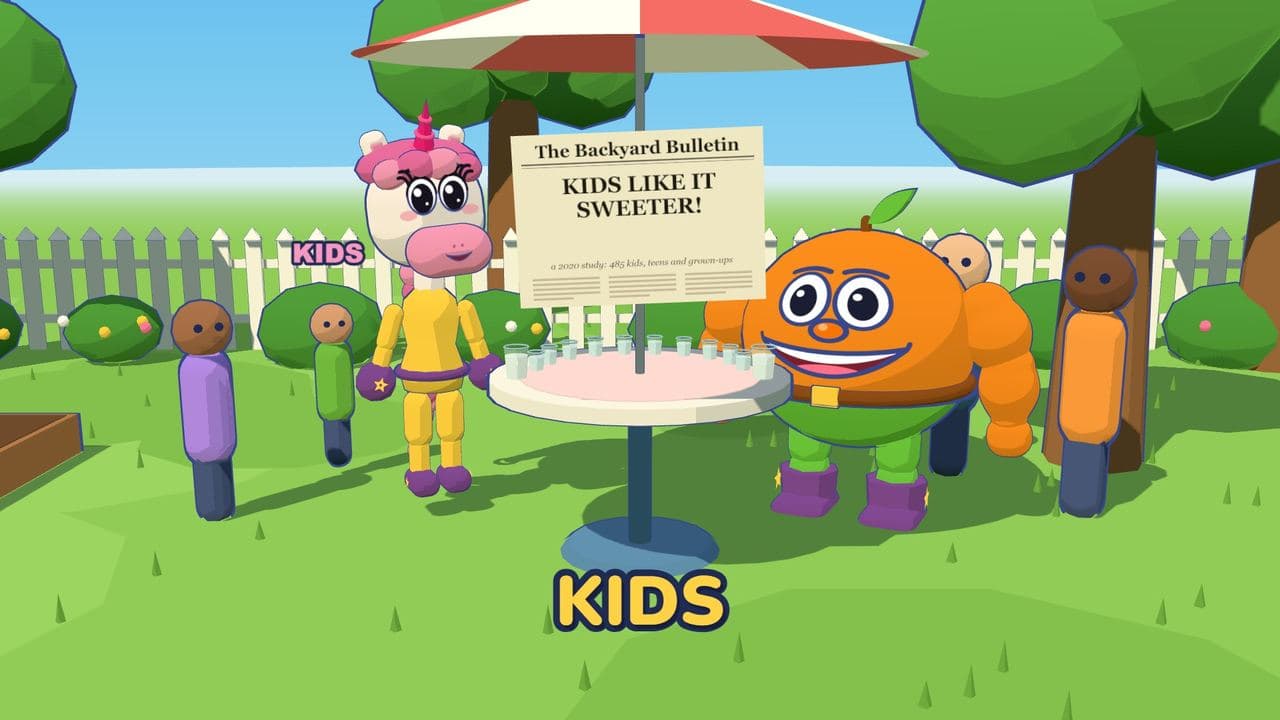
Why do kids love sweet?
Kids are born liking sweet and prefer it about 50% sweeter than adults. What the bliss point is, why it drops in the teen years, and what shapes it.
Episode 16 · Video coming soon
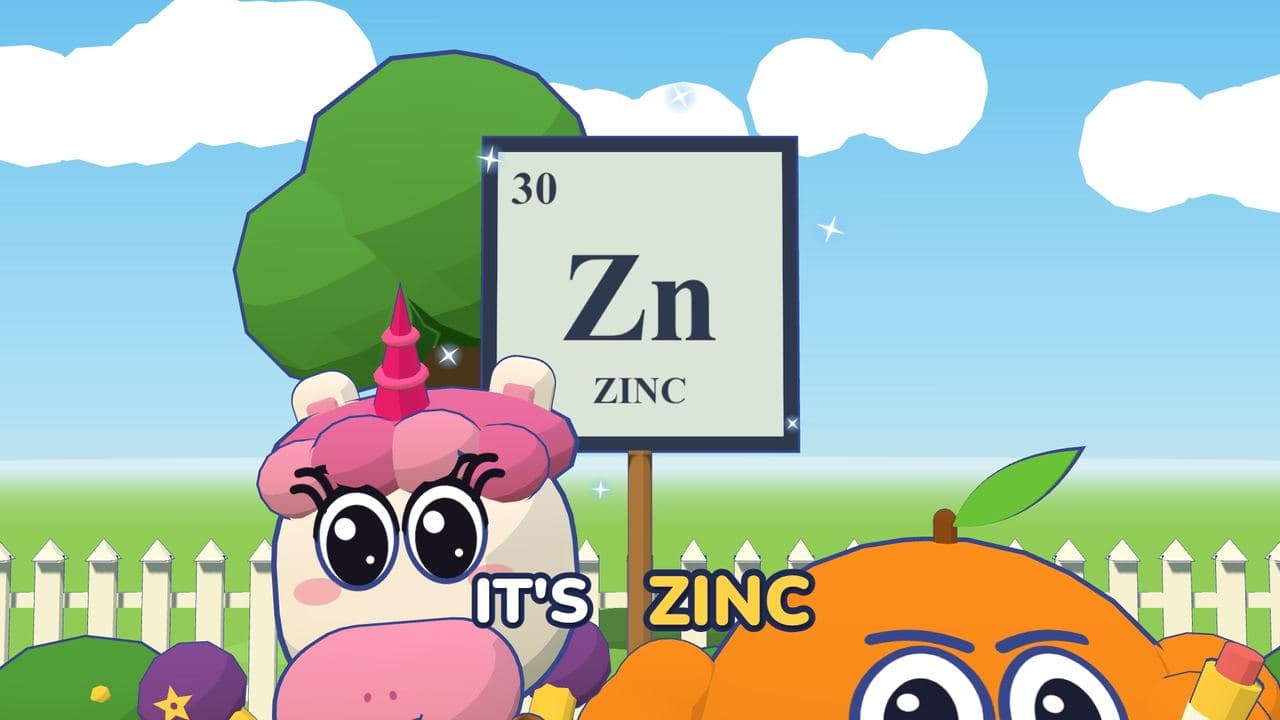
Zinc: The Case of the Disappearing Cold
A sourced look at zinc: what it does in the body, where the zinc lozenge idea came from, what trials and a 2024 review found, and safety warnings.
Ingredient origin
Where a familiar food came from, and who figured it out.
Episode 6 · Video coming soon
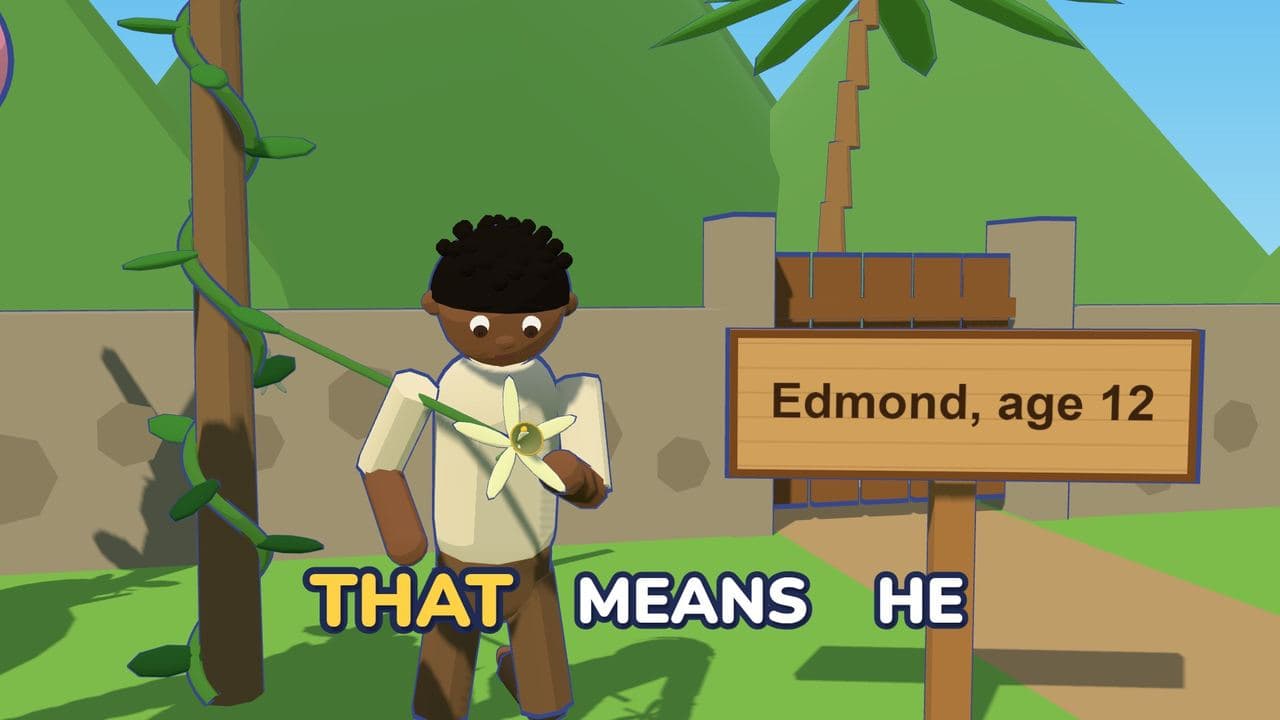
The boy who cracked vanilla
Why real vanilla is expensive, and how Edmond, an enslaved 12-year-old on Réunion, worked out the hand-pollination method farmers still use.
Episode 7 · Video coming soon
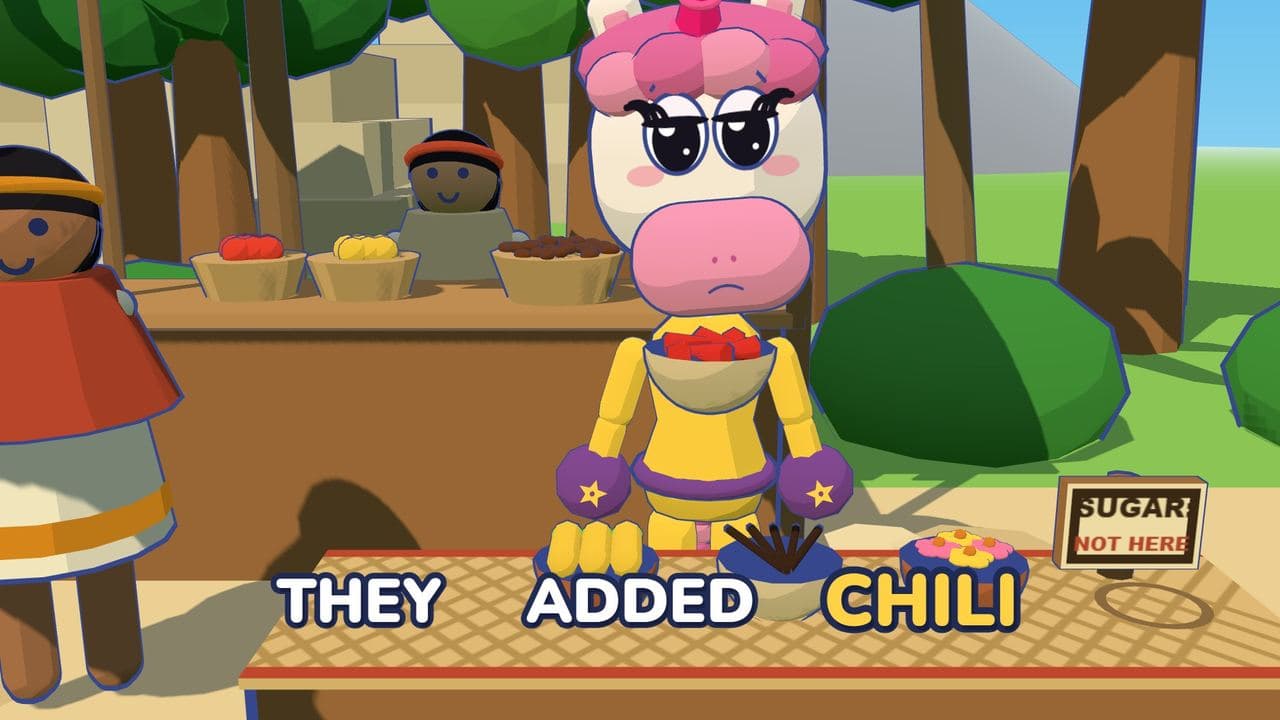
Ketchup was fish
The first ketchups had no tomatoes. How a fish sauce became a tomato sauce, plus the 1830s tomato pill craze that fizzled by 1850.
Episode 8 · Video coming soon
When chocolate was money
Chocolate started as a bitter, foamy drink, and cacao beans were used as money. A 1545 price list, the Ecuador find, and how sugar changed everything.
Episode 9 · Video coming soon
The pineapple you couldn't eat
In 1700s Britain a pineapple took years to grow in a heated greenhouse, so it was shown off, not eaten. The rental story and the Dunmore Pineapple.
Food brand history
The legend a famous food tells about itself, and what the record shows.
Episode 10 · Watch now
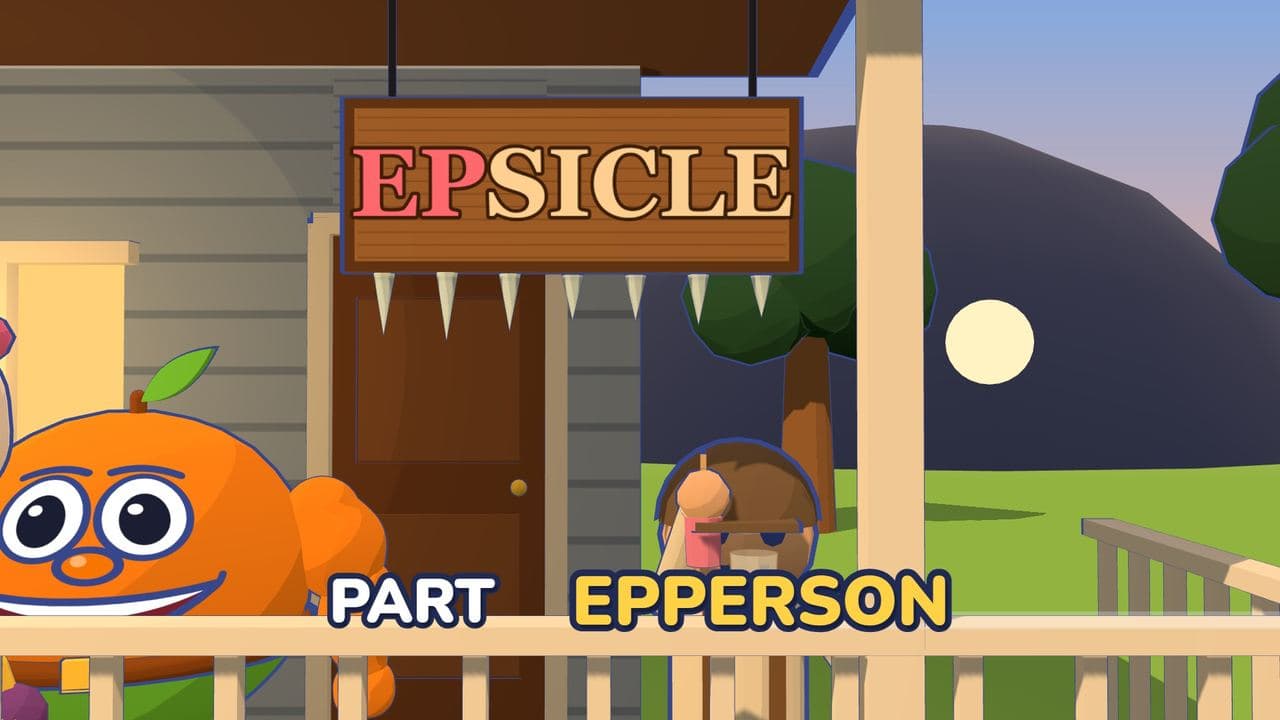
The kid, the cold night, and the court case
The famous story says 11-year-old Frank Epperson invented the popsicle in 1905. What the record shows: a 1924 patent, lawsuits, and a legend.
Episode 11 · Video coming soon
The carton from Sweden
The juice box traces back to a paper carton invented in 1940s Sweden. Erik Wallenberg's tetrahedron, the Tetra Brik, and how boxes reached US lunchboxes.
Episode 12 · Video coming soon
The drink named after a football team
In 1965 a University of Florida coach asked a kidney doctor why players didn't need to pee after games. How that question became Gatorade, legend vs record.
Episode 13 · Video coming soon
The banana in the snack cake
The first Twinkie, made near Chicago in 1930, had banana cream filling, says the company. Why it switched to vanilla in WWII, and the shelf-life myth.
Episode 14 · Video coming soon
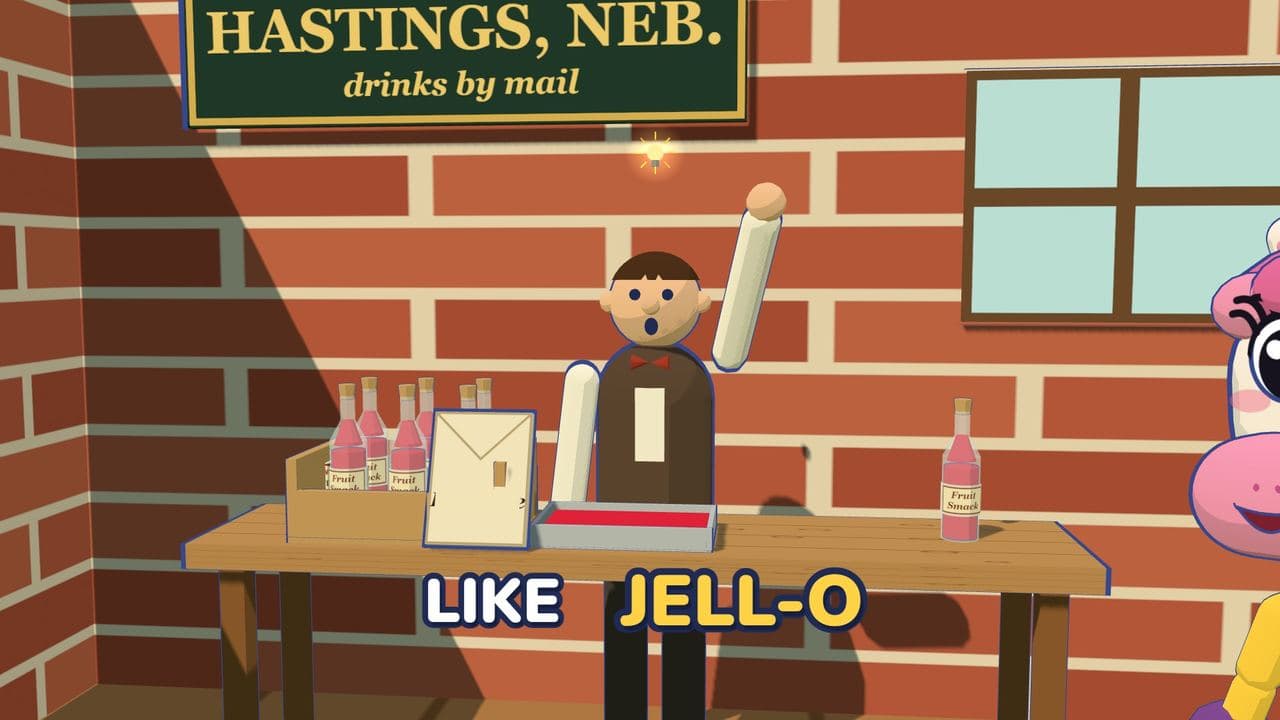
Take the water out
Edwin Perkins turned his bottled Fruit Smack syrup into a powder in 1927 Nebraska. Why he took the water out, and the unproven story behind the spelling.
Episode 15 · Video coming soon
The cookie 'accident'
The famous story says Ruth Wakefield invented chocolate chip cookies by accident. In the 1970s she said she did it on purpose. The legend vs the record.
How we make these
Every factual line in an episode is checked against a primary or reputable source before it is narrated: government agencies, peer-reviewed papers, museums, libraries and university archives. When a popular story is disputed, the episode says so instead of presenting the legend as fact. Brand names appear only as facts of history; none of the companies mentioned are partners of Wonderade or endorse it.
For questions about kids' drinks, see our parent guides.