
- University of Florida Research, Explore magazine, "Gatorade" (Kays and Phillips-Han): in spring 1965 assistant coach Dwayne Douglas asked kidney specialist Robert Cade why players lost so much weight but urinated so little; Cade with fellows Dana Shires, Jim Free and A.M. deQuesada; tested freshmen in September 1965; electrolyte imbalance, low blood sugar, low blood volume; "By all accounts, the first batch tasted so bad none of the scientists could stomach it"; Cade's wife suggested lemon juice; the freshmen-vs-B-team scrimmage is introduced with "According to legend"; Stokely-Van Camp 1967. https://research.ufl.edu/publications/explore/v08n1/gatorade.html
- UF Research, "Innovation turns 50": the team found players' electrolytes out of balance, blood sugar low, blood volume low; remedy water, salt and sugar; Cade's wife, Mary, suggested lemon juice; more than $250 million in royalties to the university funding research. https://explore.research.ufl.edu/innovation-turns-50.html
- UF Health (2003), "Dr. Robert Cade... saga of the world's best-selling sports drink": coach Dwayne Douglas's question ("why don't football players wee-wee after a game?"); research began 1965; first blend "totally unacceptable" in the group's taste tests; fresh lemon juice made it acceptable; Jim Free proposed the name Gatorade; 1966 headlines linked the Gators' second-half performances to the drink. https://ufhealth.org/news/2003/dr-robert-cade%E2%80%A6saga-world%E2%80%99s-best-selling-sports-drink-and-creative-physician-scientist
Food Stories · Episode 12 · Food brand history
The Drink Named After a Football Team: How Gatorade Started
In 1965 a University of Florida coach asked a kidney doctor why players didn't need to pee after games. How that question became Gatorade, legend vs record.
 Video coming soon
The short answer
In 1965 a University of Florida assistant coach asked kidney specialist Robert Cade why football players didn't need to pee after games. Cade's team found players in the heat were losing water and salt and had low blood sugar, so they mixed water, salt and sugar. The first batch tasted terrible until Cade's wife, Mary, suggested lemon juice. Team member Jim Free suggested the name. The famous comeback-scrimmage story is, by the university's own account, a legend.
- The researchers measured water and salt loss and low blood sugar in players.
- Newspapers in 1966 linked the Gators' second-half play to the drink.
- The University of Florida says the drink has earned it more than $250 million, which helps fund research.
The story (transcript)
Narration from the episode, as it is spoken.
You just ran around the yard for an hour. You're sweaty, you're thirsty, and your legs feel like wet noodles.
So why did a college football team get its very own drink?
It's nineteen sixty-five at the University of Florida. A Gators coach asks a kidney doctor named Robert Cade a funny question. Why don't football players need to pee after a game?
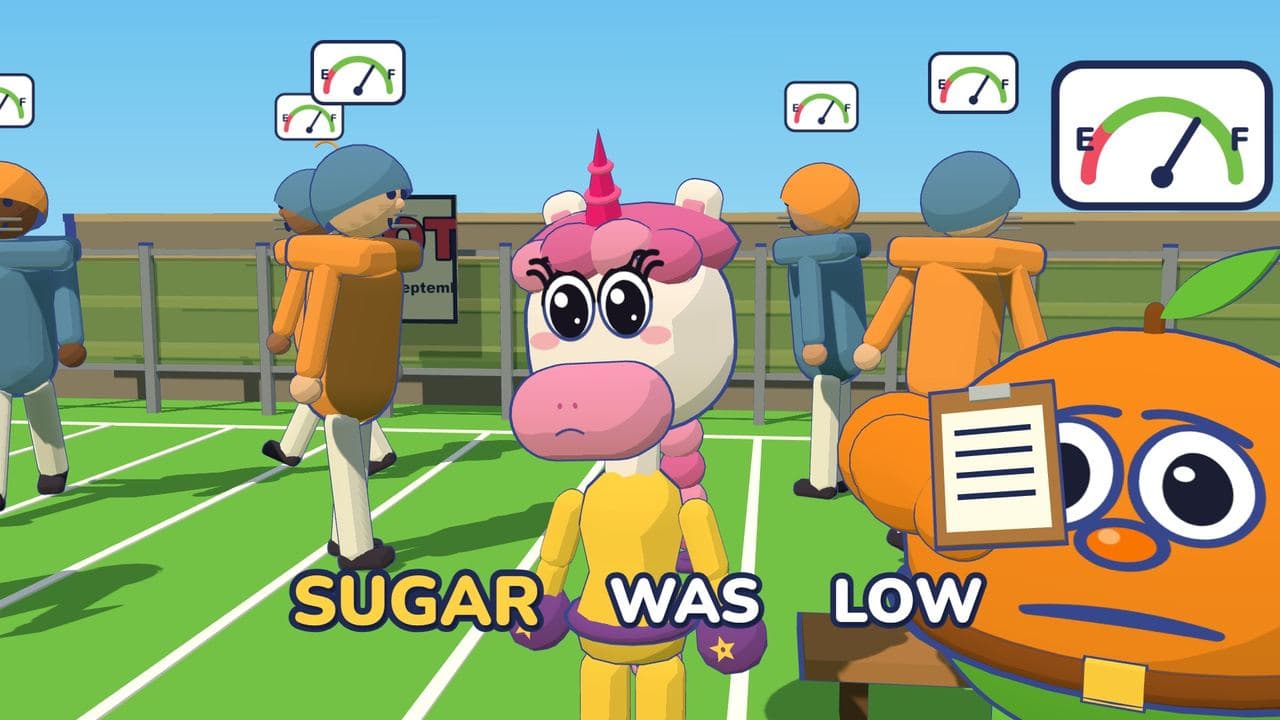
Cade's team tested the players. In the Florida heat, they were sweating out water and salt, and their blood sugar was low. They were running on empty.
So the doctors mixed water, salt and sugar. By all accounts, the first batch tasted so bad none of the scientists could stomach it. Cade's wife, Mary, suggested lemon juice. That helped.
Now, legend versus truth. The famous story says freshmen drank it during a practice game, then came back in the second half and crushed the older players. Even the university's own write-up calls that part a legend.
Here's what the record shows. In nineteen sixty-six, newspapers noticed the Gators winning in the second half and wrote about the drink. One of Cade's doctors, Jim Free, suggested a name after the team. Gatorade.
Fun fact. The drink has earned the University of Florida more than two hundred fifty million dollars, money that helps pay for research.
Try this. Taste plain water, then water with a squeeze of lemon. Which one would you rather drink after a game?
Brought to you by Wonderade, the juice you wish you had when you were growing up.
Questions people ask
- Who invented Gatorade?
- A University of Florida team led by kidney specialist Dr. Robert Cade, with Dana Shires, Jim Free and A.M. de Quesada, in 1965.
- Why is it called Gatorade?
- It was made for the Florida Gators football team. University of Florida Health credits team member Jim Free with suggesting the name.
- Is the Gatorade scrimmage story true?
- The University of Florida's own article introduces the freshmen-beat-the-B-team story with "according to legend". The 1966 newspaper coverage is documented.
Sources
Each source is listed with the facts we took from it.
How we checked this
What we simplified, hedged or left out, and why.
- Legend vs truth: the comeback-scrimmage story is presented as legend because UF's own article frames it "According to legend". The taste of the first batch is attributed ("by all accounts"), matching UF's wording.
- The coach's question is paraphrased in kid-friendly words ("need to pee") from the UF Health quote ("wee-wee"). The coach is not named in narration (sources spell him Dwayne Douglas); "a Gators coach" is accurate.
- Naming: popular accounts say Cade named it; UF Health says Jim Free proposed it and the group accepted it, so the narration credits Free with suggesting it.
- The $250 million figure is UF's own; we say "more than", as UF does. It may be higher today; we do not update it.
- We describe what the team measured (water, salt, low blood sugar) and do not claim the drink improves performance or health. "Try this" is a taste test, not hydration advice.
Brought to you by Wonderade
Wonderade is a kids' juice box. See the nutrition facts or meet the flavors.