
- GWAS: 14,604 European-ancestry 23andMe participants asked "Does fresh cilantro taste like soap to you?"; SNP rs72921001 in an olfactory receptor gene cluster on chromosome 11 including OR6A2, which binds several cilantro aldehydes; heritability tagged by common SNPs about 0.087 (a lower bound); cilantro aldehydes include decanal and (E)-2-decenal, the latter described as soapy · Eriksson et al., "A genetic variant near olfactory receptor genes influences cilantro preference", Flavour 2012, 1:22: https://arxiv.org/abs/1209.2096 · PDF: https://arxiv.org/pdf/1209.2096
- 1,994 of the 14,604 said cilantro tasted like soap (about 13.7%, roughly one in seven); soaps are often scented with aldehydes; scientists suspect differences in smell, not taste; decanal is also made by oranges · American Chemical Society, ChemMatters, "Cilantro: Delicious or Disgusting?": https://www.acs.org/education/chemmatters/articles/cilantro-delicious-or-disgusting.html
- Dislike prevalence by group in 1,639 Toronto adults aged 20-29: East Asian 21%, Caucasian 17%, African 14%, South Asian 7%, Hispanic 4%, Middle Eastern 3% · Mauer & El-Sohemy, "Prevalence of cilantro (Coriandrum sativum) disliking among different ethnocultural groups", Flavour 2012, 1:8: https://flavourjournal.biomedcentral.com/articles/10.1186/2044-7248-1-8
Food Stories · Episode 2 · Why does...?
Why Does Cilantro Taste Like Soap to Some People?
About 1 in 7 people in one big study said cilantro tastes like soap. The smell chemicals, the gene near a smell receptor, and why genes are only part of it.
 Video coming soon
The short answer
Cilantro is full of smell chemicals called aldehydes, and soap makers often use aldehydes too. In a 2012 study of about 14,600 people, almost 2,000 said fresh cilantro tastes like soap. The soap tasters were more likely to carry a small DNA change next to a group of smell receptor genes, but the genes researchers could measure explained only a small part of the difference.
- 1,994 of 14,604 people (about 1 in 7) in one study said cilantro tastes like soap.
- A DNA variant near smell receptor genes, including OR6A2, was linked to the soapy taste.
- Scientists think the difference is mostly smell, not taste.
- In a Toronto study, dislike ranged from about 21% of East Asian young adults to about 3% of Middle Eastern young adults.
The story (transcript)
Narration from the episode, as it is spoken.
You take a big bite of taco, and suddenly it tastes like you licked a bar of soap.
So why does cilantro taste like soap to some people, and like fresh, lemony leaves to everyone else?
Cilantro is full of smelly chemicals called aldehydes. And guess what soap makers often use to make soap smell nice? Aldehydes.
Scientists think the difference is in your nose, not your tongue.
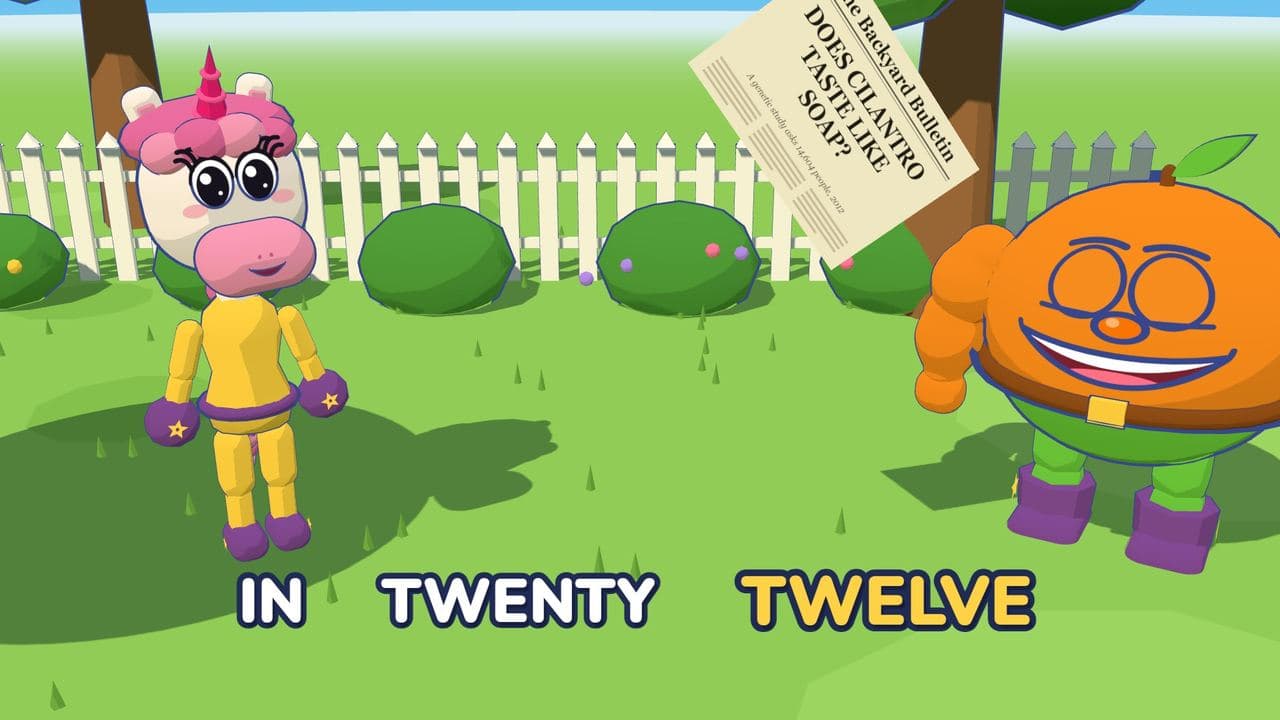
In twenty twelve, scientists asked about fourteen thousand six hundred people one question: does fresh cilantro taste like soap to you? Almost two thousand said yes. That's about one in seven.
The soap tasters were more likely to have one tiny spelling change in their DNA, right next to a family of smell sensor genes. One of those sensors, called O R six A two, grabs onto cilantro's smells.
But genes aren't the whole story. The same team found that the genes they could measure explained only a small part of it.
It also changes around the world. In a Toronto study, about one in five East Asian young adults disliked cilantro. Among Middle Eastern young adults, it was about three in a hundred.
Fun fact: one of cilantro's smells, called decanal, is also made by oranges.
Try this: pass some cilantro around the table and sniff. Who smells salad, and who smells soap? Nobody's wrong.
Brought to you by Wonderade, the juice you wish you had when you were growing up.
Questions people ask
- Why does cilantro taste like soap?
- Cilantro contains aldehydes, the same family of smell chemicals often used to scent soap. Some people's noses pick up those smells more strongly, so the leaf reads as soapy.
- Is the soapy cilantro taste genetic?
- Partly. A 2012 study linked it to a DNA variant near smell receptor genes, but the genes the researchers could measure explained only a small part of who tastes soap.
- How many people think cilantro tastes like soap?
- In the largest study, about 1 in 7 people of European ancestry said yes. A Toronto study found dislike of cilantro varied by background, from about 3% to about 21%.
Sources
Each source is listed with the facts we took from it.
How we checked this
What we simplified, hedged or left out, and why.
- "One in seven." 1,994 / 14,604 = 13.7% in one self-selected group of 23andMe customers of European ancestry. It is not a world figure, so the narration ties it to "fourteen thousand six hundred people", not "everyone". Popular articles quote anything from 4% to 21%; we only use the two studies above.
- The gene. It's an association near a cluster of smell receptor genes; OR6A2 is the authors' best candidate, not proven. The narration says "more likely to have" and "right next to a family of smell sensor genes", and "grabs onto cilantro's smells" matches the paper's "high binding specificity for several of the aldehydes".
- Genes are a small part. The paper's measured heritability was low (0.087, a lower bound). The narration says "the genes they could measure explained only a small part of it" rather than giving a percentage.
- Smell, not taste. ACS says scientists suspect smell explains it; narration says "Scientists think".
- Cut on purpose. The popular tip that crushing or chopping cilantro makes it less soapy (Harold McGee, NYT 2010, citing Japanese research) could only be checked through secondary summaries, so it is left out. The 23andMe ancestry percentages from the company blog were also left out in favor of the peer-reviewed Toronto numbers.
Brought to you by Wonderade
Wonderade is a kids' juice box. See the nutrition facts or meet the flavors.