
- Olmec-region cacao residue at El Manatí, 1650–1500 BCE; continuous cacao use at San Lorenzo 1800–1000 BCE (Powis et al.; Cyphers, Powis et al., PNAS 2011); Mokaya (Pacific coast) by about 1900 BC. Summarized from Powis's papers: https://www.ancientamericas.org/sites/default/files/06047Powis01.pdf and https://sites.bu.edu/gastronomyblog/2017/07/20/cacao-in-olmec-society/
- Olmec, Maya and Aztec drinking vessels; beans fermented, roasted, ground, mixed with water; poured between vessels for froth (the best part); flavorings maize, vanilla, flowers, chile; bitter; cacao used as Aztec currency and tribute; counterfeits hollowed out and filled with sand. World History Encyclopedia: https://www.worldhistory.org/Chocolate_in_Mesoamerica/
- 1545 Tlaxcala price list: one good turkey hen = 100 cacao beans; turkey egg = 3 beans; ripe avocado = 1 bean. Cornell University Mann Library exhibit "Chocolate: Food of the Gods": https://exhibits-container-int.library.cornell.edu/chocolate-food-of-the-gods/feature/when-money-grew-on-trees
- Primary text, same 1545 Tlaxcala document in Nahuatl: "One turkey egg is worth 3 cacao beans. A chicken egg is worth 2." (Beyond the Codices, Anderson, Berdan & Lockhart 1976, Doc. 1). Univ. of Oregon Online Nahuatl Dictionary: https://nahuatl.wired-humanities.org/content/tecciztli
- Oldest cacao use so far: Santa Ana-La Florida, Ecuador, about 5,300 years ago (Zarrillo et al., Nature Ecology & Evolution, 2018). Smithsonian Magazine: https://www.smithsonianmag.com/smart-news/cacao-was-first-cultivated-south-america-not-mexico-and-central-america-180970663/ and Science News: https://www.sciencenews.org/?p=25329
- Aztec drink cold, frothed, with chili; Girolamo Benzoni: chocolate "seemed more like a drink for pigs"; sugar added in Spain and it spread through European courts; 19th-century industry made it cheap. National Geographic History: https://www.nationalgeographic.com/history/history-magazine/article/chocolate-in-europe
Food Stories · Episode 8 · Ingredient origin
When Chocolate Was Money: The History of Cacao
Chocolate started as a bitter, foamy drink, and cacao beans were used as money. A 1545 price list, the Ecuador find, and how sugar changed everything.
 Video coming soon
The short answer
People in Mexico and Central America have drunk cacao for more than 3,500 years, and the oldest traces found so far come from Ecuador, about 5,300 years ago. The drink was bitter, frothy and often spiced with chili. Cacao beans were valuable enough to use as money: a 1545 price list from Tlaxcala, Mexico, priced a turkey egg at 3 beans. Europeans added sugar, and factories later made chocolate cheap.
- The Olmec, Maya and Aztecs all drank cacao; the Aztecs did not invent it.
- Cacao drinks were poured from cup to cup to raise a foam.
- Counterfeiters hollowed out beans and filled them with sand.
- One European traveler said it seemed like a drink for pigs, until sugar was added.
The story (transcript)
Narration from the episode, as it is spoken.
You unwrap a chocolate bar. Sweet, smooth, melty. Now imagine chocolate that's bitter, foamy, and spicy, and you drink it.
So how did a spicy drink turn into a candy bar?
People in Mexico and Central America have been drinking cacao for more than three thousand five hundred years. The Olmec drank it. So did the Maya, and later the Aztecs.
You might hear the Aztecs invented chocolate. Not quite. Older peoples drank it long before them. And the oldest cacao traces found so far are in Ecuador, in South America, about five thousand three hundred years old.
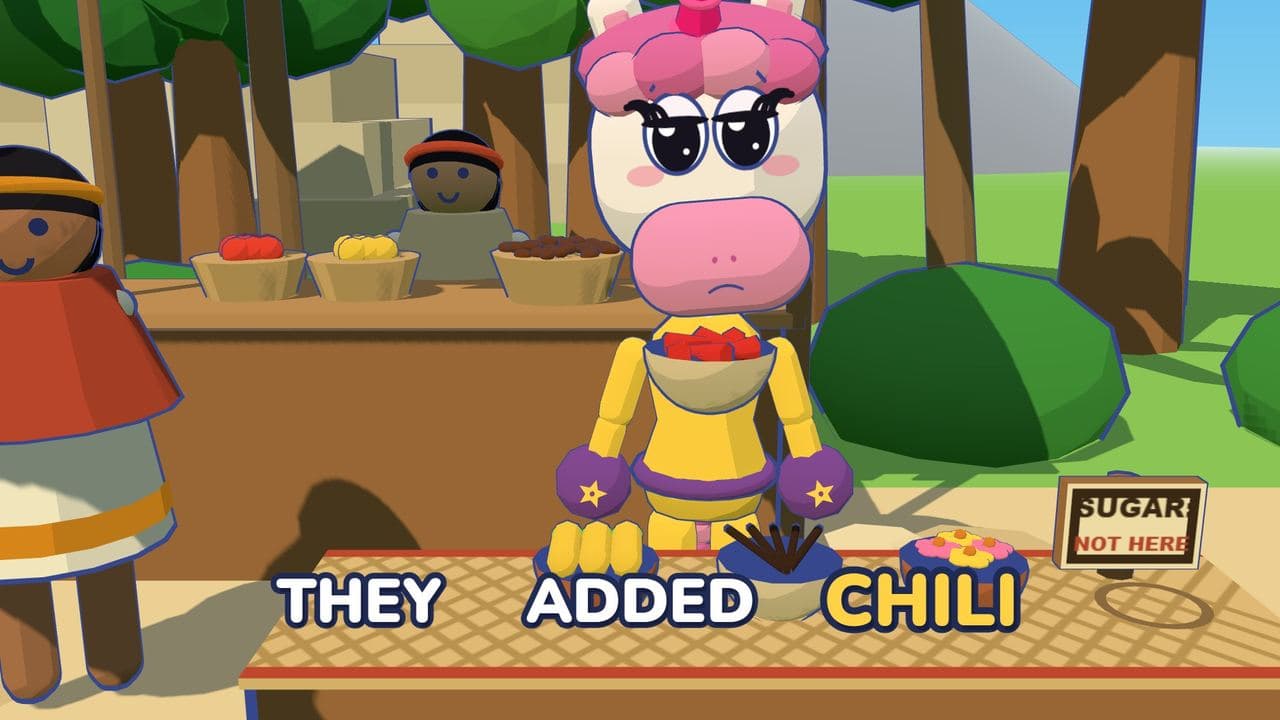
They ground roasted beans, mixed them with water, and poured it from cup to cup to make foam, the best part. They added chili, corn, vanilla, or flowers. No sugar, so it was bitter.
Cacao beans were so valuable, the Aztecs used them as money. A price list from fifteen forty-five, in Tlaxcala, Mexico, says a turkey egg cost three beans. A good turkey hen cost one hundred.
Some sneaky sellers even made fake beans. They hollowed them out and stuffed them with sand.
When Europeans first tried it, one traveler said it seemed like a drink for pigs. So they added sugar, and everybody wanted it. Much later, factories made it cheap enough for the chocolate bars you know.
Try this with a grown-up: taste a tiny pinch of plain cocoa powder. Bitter, right? That's closer to the chocolate of long ago.
Brought to you by Wonderade, the juice you wish you had when you were growing up.
Questions people ask
- Did the Aztecs invent chocolate?
- No. Older peoples, including the Olmec, drank cacao long before the Aztecs, and the oldest known cacao use is in Ecuador, about 5,300 years ago.
- Were cacao beans really used as money?
- Yes. Cacao was one of several currencies in the region. A 1545 price list from Tlaxcala, Mexico, set a turkey egg at 3 beans and a good turkey hen at 100.
- What did early chocolate taste like?
- Bitter and foamy, with no sugar. It was often flavored with chili, corn, vanilla or flowers.
Sources
Each source is listed with the facts we took from it.
How we checked this
What we simplified, hedged or left out, and why.
- Price figures: the 1545 list is from Tlaxcala, after the Spanish conquest, so the narration names the place and year rather than saying "Aztec prices". The 100-bean hen is from Cornell; the 3-bean turkey egg is confirmed in the Nahuatl primary text. World History Encyclopedia gives 200 beans for "a turkey" and 30 for a rabbit, unsourced; we avoid those. The popular "one bean bought a tamale/tomato" is also avoided because we could not tie it to a named document.
- "Aztecs used them as money": sources say cacao was one of several forms of currency (with cloth, etc.). Kept as "used them as money", not "the" money.
- Legend vs truth: "the Aztecs invented chocolate" is corrected with the Olmec-region evidence and the Ecuador find. The Ecuador study shows cacao use, not chocolate bars, so the line says "oldest cacao traces".
- "More than three thousand five hundred years" uses the El Manatí date (1650–1500 BCE), the safest Olmec-region figure. The often-quoted 1900 BC date belongs to the Mokaya, not the Olmec, so it is not used.
- The "drink for pigs" line is Benzoni, an Italian traveler, so the narration says "one traveler", not "the Spanish".
- Temperature varied (Maya often warm, Aztecs often cold) so the script never says hot or cold.
- The Montezuma "fifty cups a day" tale was considered and dropped: it's a garbled retelling of Bernal Díaz and comes with adult context.
- Cocoa-powder "try this" says "with a grown-up" and "a tiny pinch"; no health claim.
Brought to you by Wonderade
Wonderade is a kids' juice box. See the nutrition facts or meet the flavors.