
- Library of Congress, Inside Adams blog (Jennifer Harbster, Dec 23, 2025): Ruth studied home economics, worked as a dietitian and lecturer; she and Kenneth opened the Toll House Inn in Whitman in 1930; recipe published in the 1938 Toll House Tried and True Recipes (also 1940 edition p. 216) as the "Toll House Chocolate Crunch Cookie"; two accident versions (out of nuts, or out of chocolate) "promote the idea that the invention was an accident"; in the 1970s Ruth said chopping the chocolate bar was "intentional and not an accident" (via MassLive reporting); in 1939 Nestlé asked to feature her recipe on its bars. https://blogs.loc.gov/inside_adams/2025/12/ruthwakefield/
- Boston Globe (Dec 21, 2021): legend that she "ran out of nuts"; Carolyn Wyman: "It didn't seem like anything was an accident at that restaurant"; Wakefield reportedly told interviewers in the 1970s that customers loved the nut cookies and she wanted to give them something different; 1939 Nestlé rights "supposedly for only $1"; free chocolate for life per The New York Times. https://www.bostonglobe.com/2021/12/21/lifestyle/time-delicious-reminder-that-chocolate-chip-cookie-originated-massachusetts
- Whitman Public Library, Ruth Graves Wakefield/Toll House Collection (Digital Commonwealth): bought the Whitman toll house in 1930; March 20, 1939 agreement for Nestlé to print the Toll House Cookie recipe on its semi-sweet chocolate packages in return for a lifetime supply of Nestlé chocolate. https://www.digitalcommonwealth.org/search/commonwealth:8049gk43n
- WBUR (Dec 12, 2025): the chocolate chip "was no accident (despite a longtime prevailing narrative it was)"; Wakefield was a former home economics teacher trying to liven up a butterscotch cookie already sold at the inn. https://www.wbur.org/news/2025/12/12/chocolate-chip-cookie-massachusetts-history-toll-house-inn-newsletter
- Lemelson-MIT, Ruth Wakefield (the accident telling, for fairness: out of baker's chocolate, chopped a semi-sweet bar expecting it to melt): https://lemelson.mit.edu/resources/ruth-wakefield
- CBS Boston, "5 things you didn't know about Massachusetts' official state cookie": a third-grade class in Somerset proposed it; 1997; Gov. William Weld signed after the kids picked it over the Fig Newton. https://www.cbsnews.com/boston/news/5-things-you-didnt-know-about-massachusetts-official-state-1/
Food Stories · Episode 15 · Food brand history
Was the Chocolate Chip Cookie an Accident? Ruth Wakefield's Story
The famous story says Ruth Wakefield invented chocolate chip cookies by accident. In the 1970s she said she did it on purpose. The legend vs the record.
 Video coming soon
The short answer
Ruth Wakefield and her husband Kenneth opened the Toll House Inn in Whitman, Massachusetts, in 1930. The popular story says she ran out of nuts or baker's chocolate and chopped up a chocolate bar expecting it to melt. In the 1970s Wakefield told interviewers she chopped the chocolate on purpose to give her guests something new. The recipe appeared in her 1938 cookbook, and in 1939 Nestlé agreed to print it on its chocolate in return for free chocolate for life.
- Wakefield studied home economics before running the inn's kitchen.
- The 1938 cookbook called it the Toll House Chocolate Crunch Cookie.
- In 1997 a third-grade class helped make the chocolate chip cookie the official state cookie of Massachusetts.
The story (transcript)
Narration from the episode, as it is spoken.
You pull a warm cookie off the tray. The chocolate chips are soft and gooey, but they kept their shape. Somebody planned that. Or did they?
So was the chocolate chip cookie an accident?
In nineteen thirty, Ruth Wakefield and her husband Kenneth bought an old house in Whitman, Massachusetts, and turned it into the Toll House Inn. Ruth had studied cooking in school, and her desserts were famous.
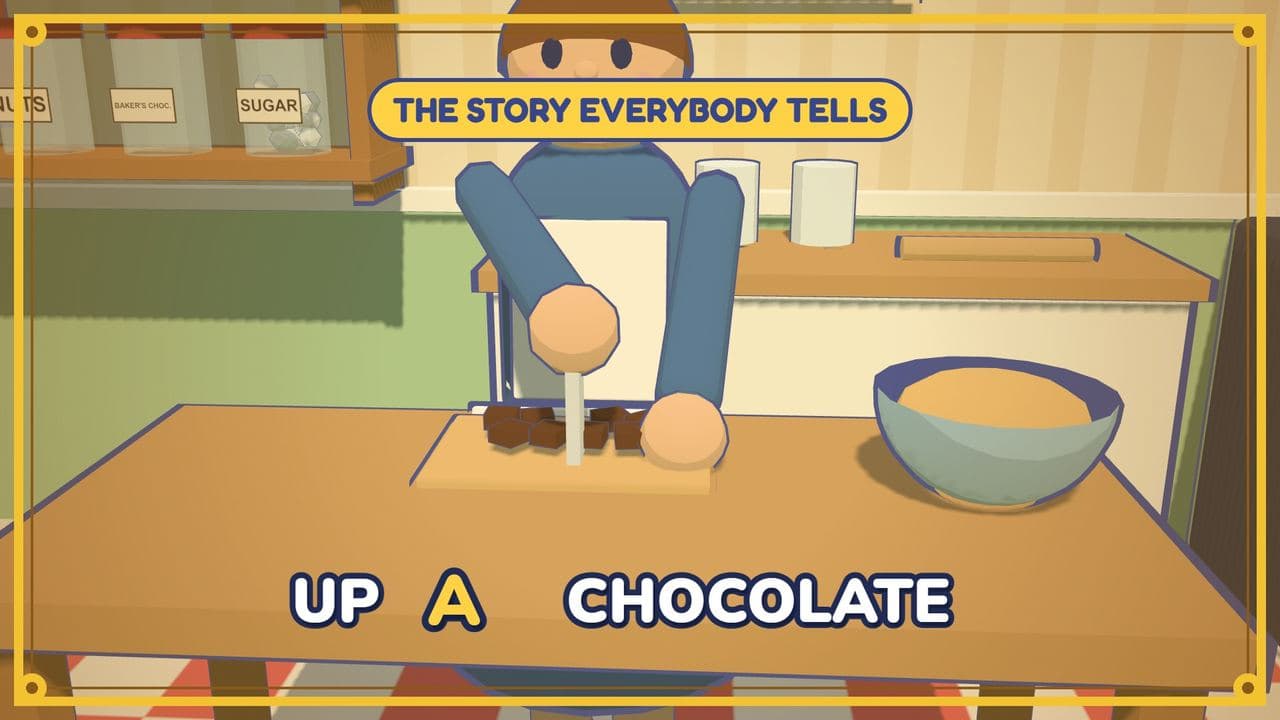
Here's the story everybody tells. One night Ruth ran out of nuts, or out of baker's chocolate, so she chopped up a chocolate bar, expecting it to melt. Surprise. Chocolate chips.
But in the nineteen seventies, Ruth told interviewers a different story. Her guests loved her nut cookie, and she wanted to give them something new. She said chopping the chocolate was on purpose.
So who's right? Nobody can go back and watch. The accident story is fun, and lots of people still tell it. But the one person who was in that kitchen said she meant to do it.
By nineteen thirty-eight, the recipe was in her cookbook, called the Toll House Chocolate Crunch Cookie.
In nineteen thirty-nine, Nestlé agreed to print her recipe on its chocolate. In return, Ruth got free chocolate for life.
Fun fact. In nineteen ninety-seven, a class of third graders helped make the chocolate chip cookie the official state cookie of Massachusetts.
Brought to you by Wonderade, the juice you wish you had when you were growing up.
Questions people ask
- Was the chocolate chip cookie invented by accident?
- That's the popular story, but Ruth Wakefield later said adding chopped chocolate was intentional. Historians at the Library of Congress note both versions.
- Who invented the chocolate chip cookie?
- Ruth Wakefield, at the Toll House Inn in Whitman, Massachusetts, in the 1930s. The recipe was in her 1938 cookbook.
- What did Ruth Wakefield get from Nestlé?
- A 1939 agreement let Nestlé print her recipe on its chocolate packages in return for a lifetime supply of Nestlé chocolate.
Sources
Each source is listed with the facts we took from it.
How we checked this
What we simplified, hedged or left out, and why.
- The disagreement is presented fairly: the accident story is told first, in full, as "the story everybody tells" (it is also told by respected sources like Lemelson-MIT); then Ruth's own 1970s account; then "nobody can go back and watch", ending on the fact that the only eyewitness said it was deliberate. We do not call the accident tellers liars; the dough-courtroom ends with both sides sharing cookies.
- "Studied cooking in school": LOC says she studied home economics; WBUR says she taught it, Globe says Framingham Normal School cooking program. Narration keeps it to "studied".
- Invention year is uncertain (sources say 1930, the 1930s, or 1938), so narration says only "by nineteen thirty-eight, the recipe was in her cookbook", which LOC and The Henry Ford support.
- The "$1" payment is "supposedly" in the Globe and unconfirmed elsewhere, so it is left out. "Free chocolate for life" is from the Whitman Public Library archive record of the 1939 agreement.
Brought to you by Wonderade
Wonderade is a kids' juice box. See the nutrition facts or meet the flavors.